
Table of Contents
ToggleIntroduction(Winter Skin Care Tips)
Winter in the United States can be very harsh on the skin.some Winter Skin Care tips can resolve all issues.Cold temperatures, low humidity, and strong winds remove moisture quickly.
Indoor heating makes the problem even worse.
During winter, many people struggle with:
Dry and flaky skin
Itching and redness
Cracked lips and hands
Dull and tired-looking skin
Most people turn to strong skin care products in winter.
However, harsh formulas can damage the skin barrier.
This often leads to more irritation and sensitivity.
That is why natural Winter Skin Care Tips are a better option.
They support the skin instead of stressing it.
They hydrate, repair, and protect gently.
[IMAGE PLACEHOLDER: “Winter dry skin problems in USA” – alt: Winter skin care issues in the USA]
In this guide, you will learn about 7 natural Winter Skin Care Tips that actually work in cold US weather.
These remedies are simple, affordable, and suitable for daily use.
Why Cold US Weather Damages the Skin
Winter skin problems happen for a reason.
The environment directly affects how the skin behaves.
Low Humidity Dries Out the Skin
Cold air holds very little moisture.
When humidity drops, skin loses water faster.
This causes dryness and tightness.

Indoor Heating Increases Moisture Loss
Heating systems dry the air indoors.
Skin stays exposed to dry air all day and night.
This leads to rough and irritated skin.
Cold Winds Weaken the Skin Barrier
Winter winds damage the outer skin layer.
Once the barrier is weak, moisture escapes easily.
Skin becomes more sensitive and red.
Hot Showers Make Things Worse
Hot water removes natural oils from the skin.
This increases dryness and itching in winter.
Because of these factors, skin needs extra care in winter.
This is where natural Winter Skin Care Tips become essential.
Why Natural Remedies Work Better in Winter
Winter skin is already stressed.
It needs calm and nourishment, not harsh treatment.
Benefits of Natural Winter Skin Care Tips
Natural remedies:
Strengthen the skin barrier
Reduce irritation and redness
Provide long-lasting hydration
Are gentle on sensitive skin
Work well in dry US climates

Natural ingredients help the skin heal naturally.
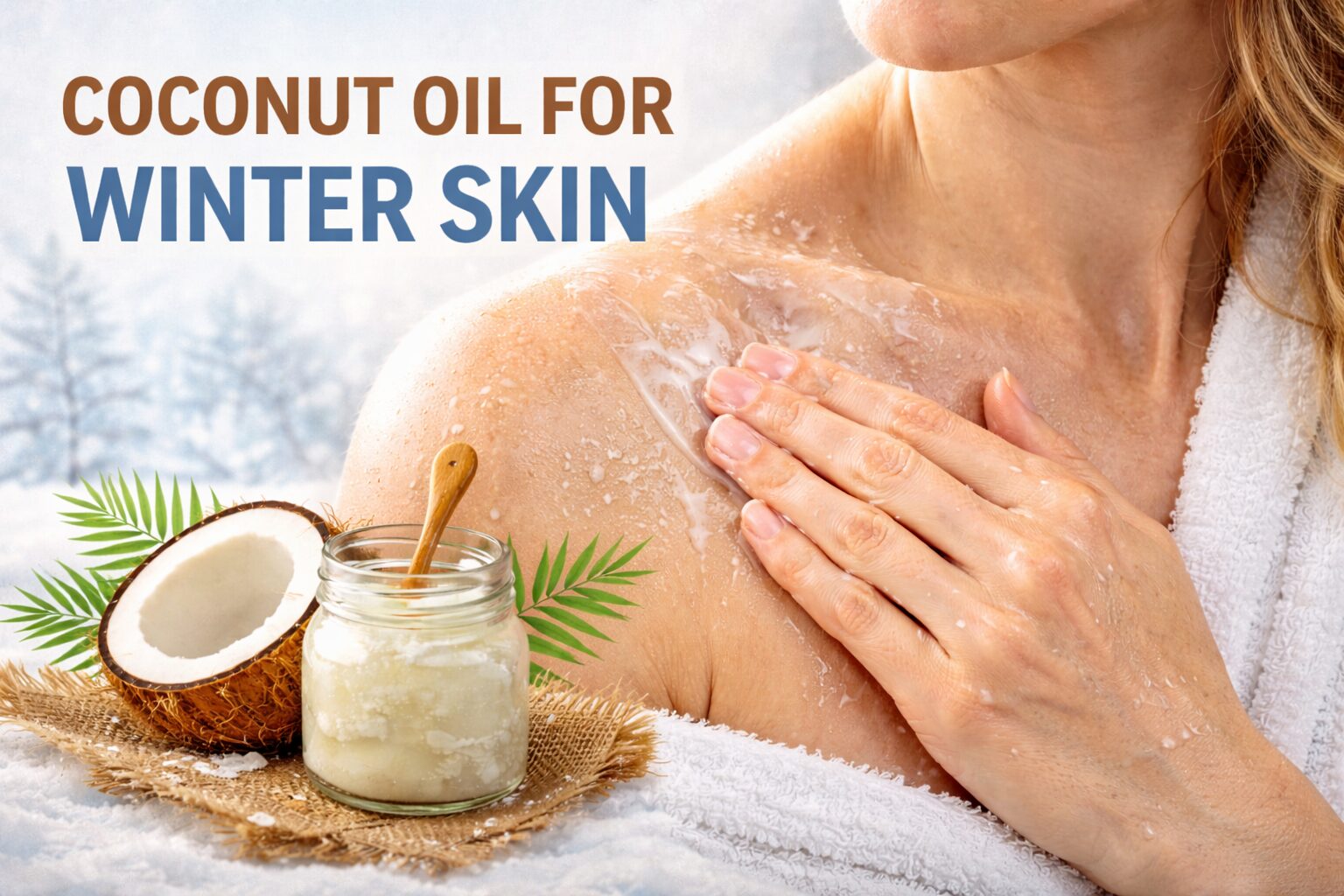
Remedy 1: Coconut Oil for Deep Winter Hydration
Coconut oil is one of the most effective natural Winter Skin Care Tips
It is especially helpful during cold US winters.
Why Coconut Oil Works in Cold Weather
Coconut oil contains natural fatty acids.
These fatty acids repair the skin barrier.
They also lock moisture into the skin.
Benefits of Coconut Oil
Deep hydration
Reduced flakiness
Smoother rough skin
Better moisture retention
How to Use Coconut Oil Safely
Apply after showering on damp skin
Use a small amount on the face
Massage gently before bedtime
Best Skin Types
Dry skin
Normal skin
Very dry winter skin
Note: Avoid heavy use on acne-prone skin.
Remedy 2: Raw Honey for Dry and Cracked Winter Skin
Raw honey is a powerful natural healer.
It works very well in cold and dry US weather.
Why Honey Is Effective in Winter
Honey is a natural humectant.
It attracts moisture from the air.
It helps the skin stay hydrated longer.
Benefits of Honey for Winter Skin
Heals cracked skin
Softens lips and hands
Improves skin texture
Adds natural glow
How to Use Honey
Use raw, organic honey
Apply a thin layer on clean skin
Leave on for 15–20 minutes
Rinse with lukewarm water
Honey is gentle and safe for most skin types.

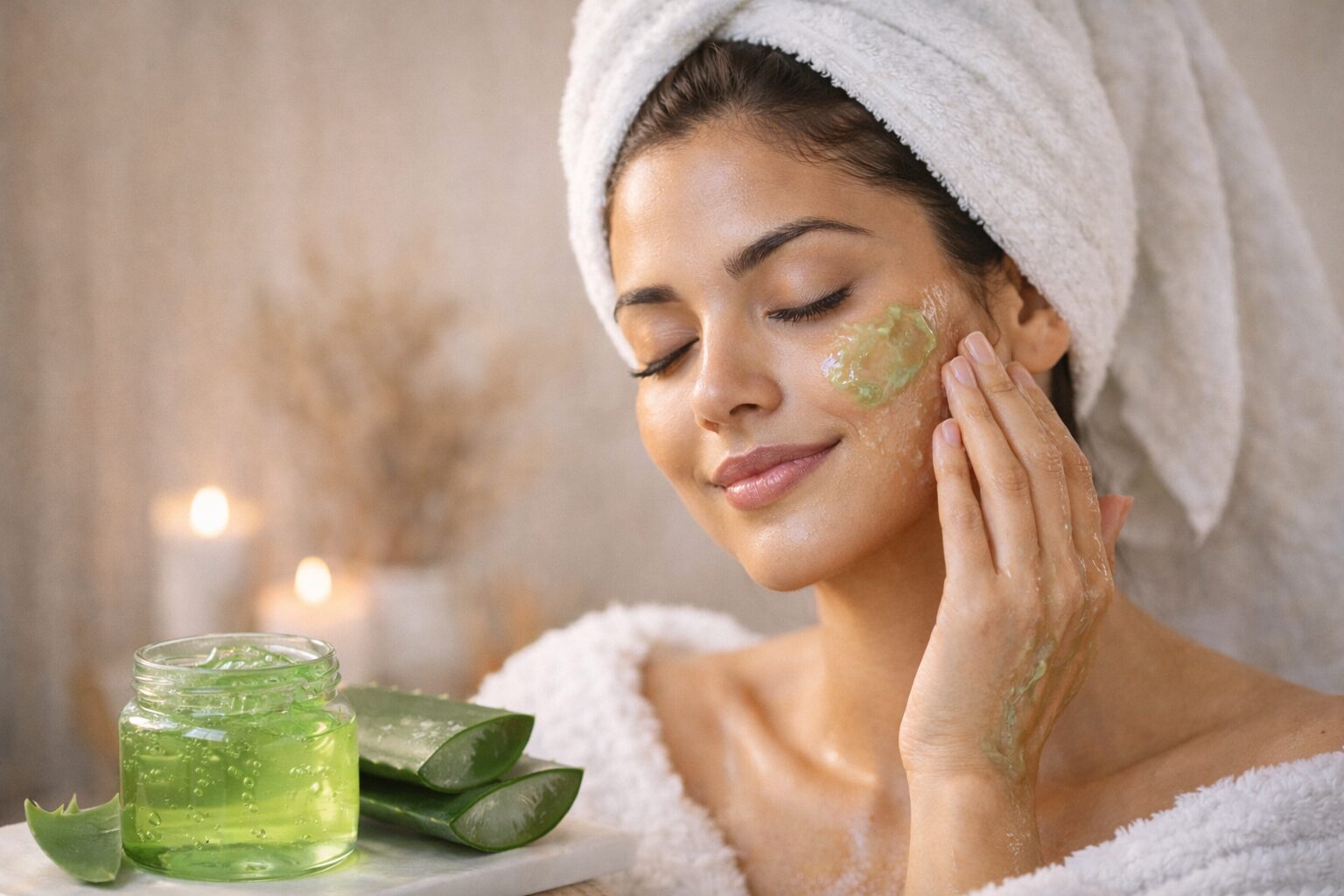
Remedy 3: Aloe Vera Gel for Sensitive Winter Skin
Winter often makes skin sensitive.
Redness and itching become common problems.
Aloe vera gel is one of the best natural Winter Skin Care Tips for sensitive skin.
Why Aloe Vera Is Ideal for US Winters
Aloe vera calms irritation caused by cold air.
It also repairs damage from indoor heating.
The texture is light and non-greasy.
Benefits of Aloe Vera
Reduces redness and itching
Hydrates without heaviness
Supports skin healing
Safe for acne-prone skin
How to Use Aloe Vera Gel
Apply a thin layer on clean skin
Use before moisturizer
Best for night-time use
Remedy 4: Oatmeal for Winter Itch and Eczema
Winter itching is very common in the United States.
It becomes worse in dry climates and cold regions.
People with eczema suffer the most during winter.
Oatmeal is one of the safest natural winter skin care remedies for this problem.
Why Oatmeal Works
Oatmeal contains beta-glucans.
These compounds help the skin hold moisture.
Oatmeal also calms inflammation and reduces itching.

Benefits of Oatmeal
Relieves severe itching
Calms eczema flare-ups
Softens rough and dry skin
Supports the skin barrier
How to Use Oatmeal
Use finely ground oats
Add 1 cup to lukewarm bath water
Soak for 15–20 minutes
Pat skin dry gently
Apply moisturizer immediately
Oatmeal is safe for all ages and skin types.
Remedy 5: Olive Oil for Overnight Winter Skin Repair
Olive oil is a classic natural remedy.
It works especially well in cold US winters.
Why Olive Oil Is Effective
Olive oil is rich in vitamin E and antioxidants.
These nutrients repair damaged skin and improve elasticity.
Skin repairs itself at night, and olive oil supports this process.

Benefits of Olive Oil
Repairs dry and damaged skin
Softens rough patches
Improves elasticity
Supports aging skin
How to Use Olive Oil
Use extra virgin olive oil
Apply a few drops at night
Massage gently into the skin
Wash with a mild cleanser in the morning
Best for dry, normal, and mature skin types.
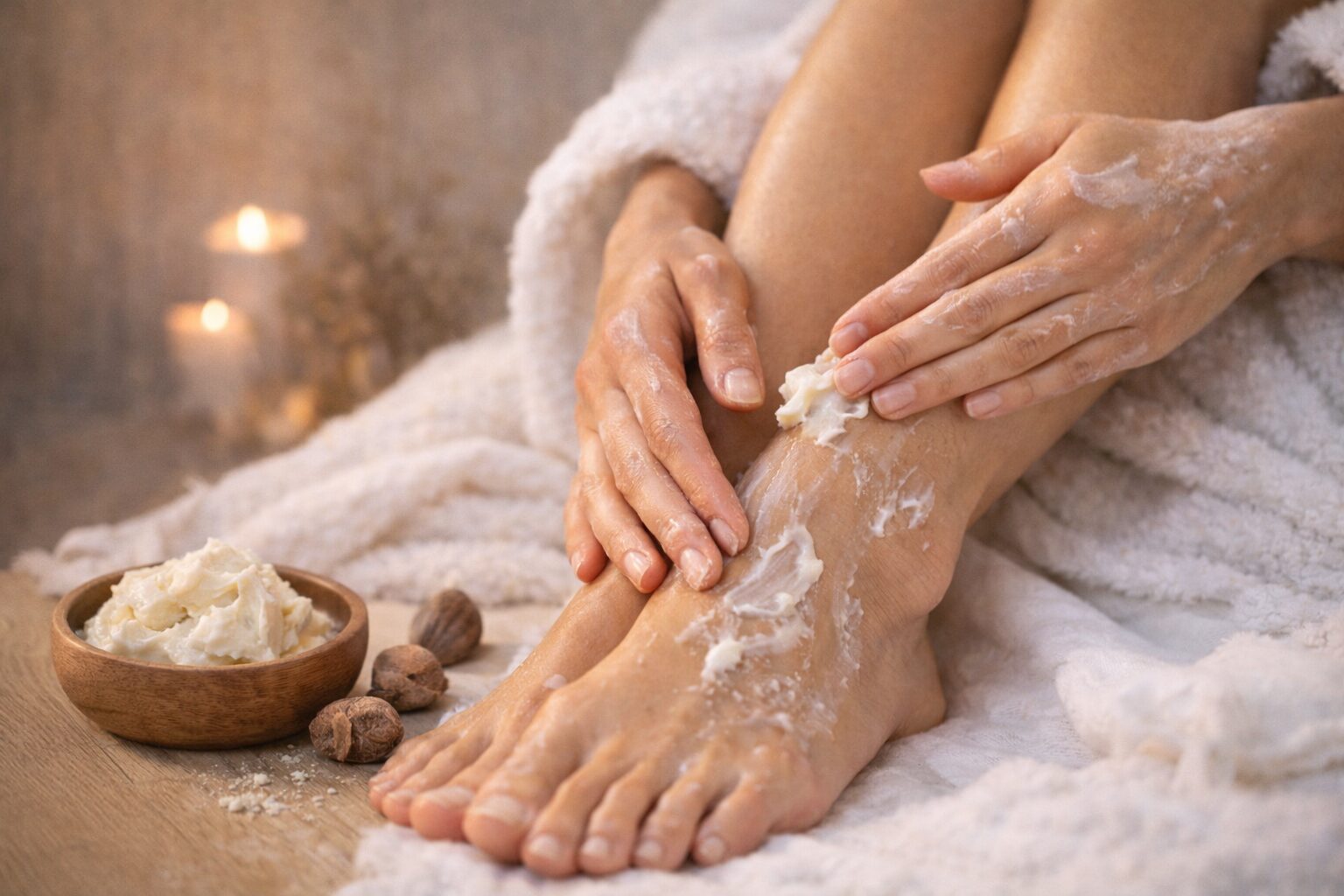
Remedy 6: Shea Butter for Extreme Cold Protection
Some US regions experience extreme winter conditions.
The Midwest and East Coast are good examples.
Regular moisturizers are often not enough.
Shea butter is one of the strongest natural Winter Skin Care Tips for extreme cold.
Why Shea Butter Works
Shea butter forms a protective layer on the skin.
It prevents moisture loss and shields skin from freezing winds.
Benefits of Shea Butter
Long-lasting hydration
Protects against extreme cold
Reduces cracking and peeling
Calms inflammation
How to Use Shea Butter
Warm a small amount between your hands
Apply to hands, feet, and face
Use before going outdoors
Apply at night for deep repair
Shea butter is excellent for outdoor exposure in winter.
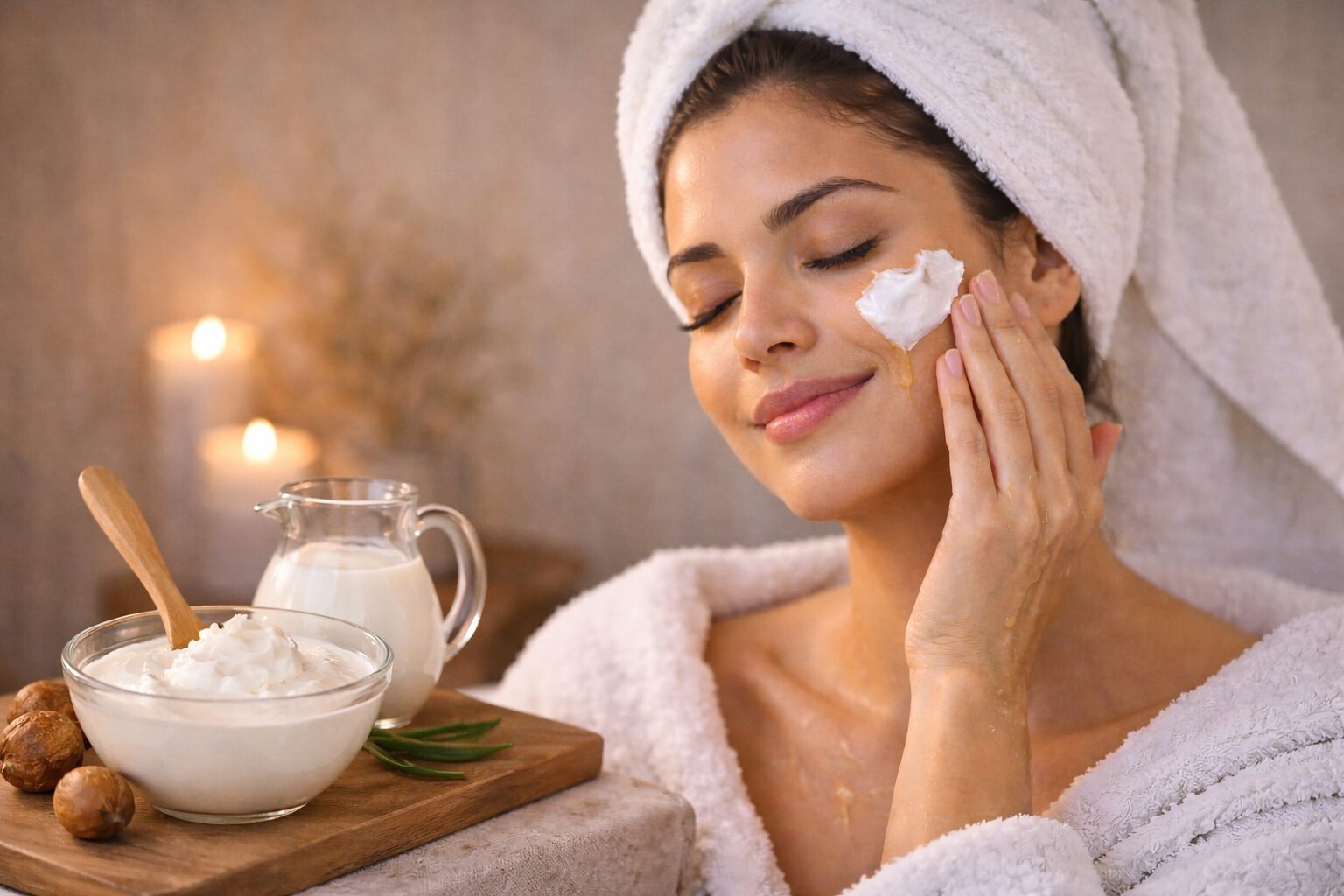
Remedy 7: Milk Cream (Malai) for Natural Winter Glow
Milk cream, also called malai, is a traditional remedy.
It is very effective for dull winter skin.
Why Milk Cream Works
Milk cream contains fats and lactic acid.
Lactic acid gently exfoliates dry skin.
It removes dead skin cells caused by cold weather.
Benefits of Milk Cream
Restores natural glow
Softens dry skin
Improves skin texture
Reduces winter dullness
How to Use Milk Cream
Use fresh milk cream
Apply a thin layer on the face
Leave for 10–15 minutes
Rinse with lukewarm water
Best for normal and dry skin types.
Avoid heavy use if acne-prone.
Complete Winter Skin Care Tips for US Climate
Using remedies correctly matters more than using many products.
Morning Routine
Cleanse with a gentle face wash
Apply aloe vera gel
Use a light moisturizer
Apply sunscreen
Evening Routine
Cleanse gently
Use honey mask 2–3 times per week
Apply aloe vera or light oil
Moisturize well
Night Routine
Coconut oil or olive oil on dry areas
Shea butter on hands and feet
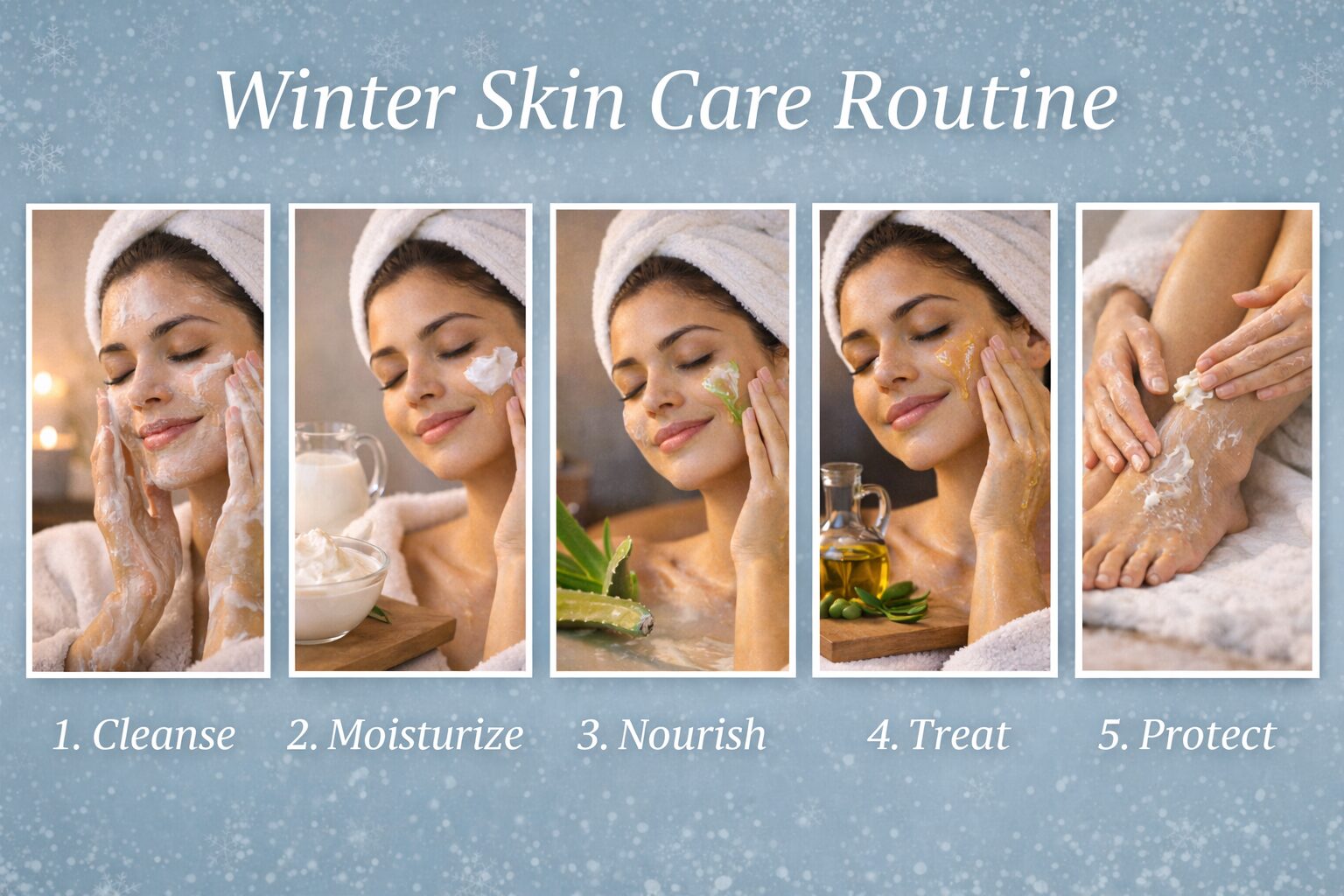
Consistency is key. Daily care gives the best results.
Important Safety Tips
Natural does not mean careless.
Do a patch test first
Do not overuse heavy oils
Adjust routine based on skin type
Stop use if irritation occurs
These tips ensure safe winter skin care.
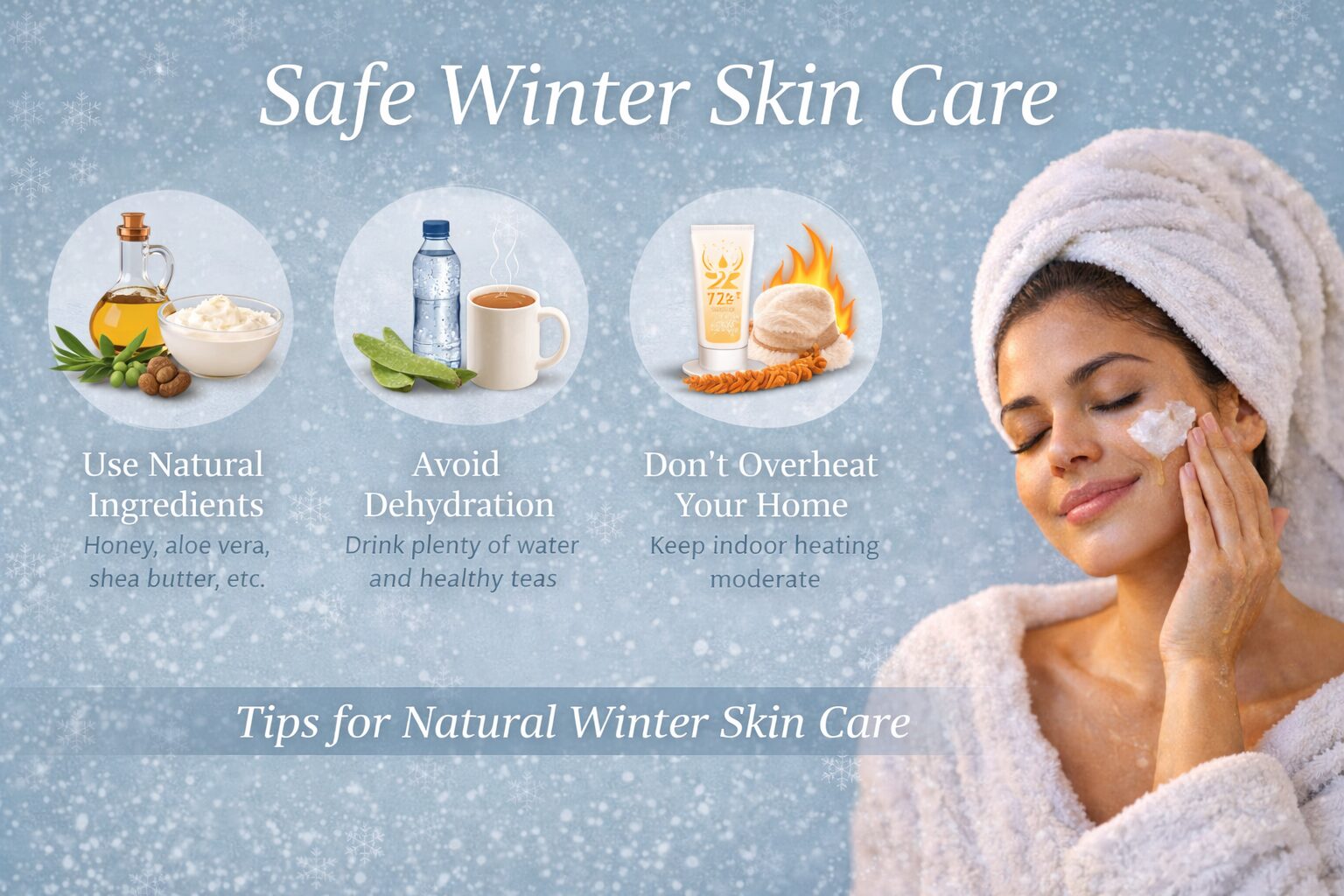
Hydration Tips for Winter Skin
Hydration is the key to healthy winter skin.
Even with natural remedies, drinking water is essential.
Cold US weather often makes people forget to drink enough water.
Simple Hydration Tips
Drink 8–10 glasses of water daily
Include herbal teas to stay hydrated
Eat fruits with high water content, like oranges and cucumbers

Proper hydration supports skin from inside.
It works together with topical remedies to keep skin soft and healthy.
Diet for Winter Skin Health
Winter diet can affect the skin’s appearance.
Certain nutrients protect and repair the skin barrier.
Recommended Foods
Healthy fats: nuts, seeds, avocados
Vitamins: Vitamin C from citrus fruits, Vitamin E from nuts and olive oil
Protein: Lean meats, beans, and dairy for skin repair
Antioxidants: Berries and leafy greens

Eating a balanced diet enhances the benefits of natural remedies.
Sunscreen in Winter
Many people skip sunscreen in winter.
This is a mistake, even in cold US weather.
Why Sunscreen Matters
UV rays are present year-round
Snow reflects sunlight, increasing exposure
Sun damage worsens dryness and dullness

Use a gentle sunscreen daily.
It prevents premature aging and protects your skin barrier.
Common Winter Skin Care Mistakes to Avoid
Even natural routines fail if small mistakes are made.
Mistakes to Avoid
Using hot water to wash the face
Over-exfoliating dry skin
Skipping moisturizer or oil
Using fragranced products that can irritate skin
Ignoring lips, hands, and feet

Avoiding these mistakes ensures natural remedies work effectively.
How to Combine Remedies for Best Results
Natural remedies are most effective when used correctly.
Consistency matters more than quantity.
Example Winter Routine
Morning:
Gentle cleanser
Aloe vera gel
Light moisturizer
Sunscreen
Evening:
Gentle cleanser
Honey mask 2–3 times per week
Aloe vera or light oil
Moisturizer
Night:
Coconut oil or olive oil on dry areas
Shea butter on hands and feet

This routine is simple and effective for US winter conditions.
Lifestyle Tips for Healthy Winter Skin
Skin health is not only about products.
Lifestyle choices make a big difference.
Key Lifestyle Tips
Avoid long, hot showers
Use a humidifier indoors
Wear protective clothing outdoors
Sleep 7–8 hours for skin repair
Reduce stress through meditation or light exercise

Healthy habits enhance the effect of natural remedies.
Final Conclusion
Winter in the United States can be challenging for skin.
Cold air, low humidity, and indoor heating remove moisture daily.
Using naturalWinter Skin Care Tips is the safest and most effective solution.
Remedies like coconut oil, honey, aloe vera, oatmeal, olive oil, shea butter, and milk cream hydrate, repair, and protect the skin.
Combined with proper hydration, a balanced diet, sunscreen, and a good routine, natural remedies keep your skin soft, glowing, and healthy all winter long.

With consistent care and the right natural ingredients, you can enjoy beautiful skin even in the harshest US winter.
Frequently Asked Questions (FAQ)
1. Are natural Winter Skin Care Tips safe for daily use?
Yes. Most natural remedies are gentle and safe when used correctly.
Always consider your skin type before applying new remedies.
2. Can I use multiple remedies together?
Yes, but keep it simple.
Using too many remedies at once may irritate the skin.
For example, apply aloe vera in the morning and coconut oil at night.
3. How long does it take to see results?
Most people notice improvements within 1–2 weeks.
Full hydration, softening, and glow usually appear in 3–4 weeks with consistent use.
4. Do these remedies work in extreme US cold?
Yes.
Shea butter, olive oil, and coconut oil provide strong protection in harsh winter climates.
5. Can natural remedies replace moisturizers and sunscreen?
Not entirely.
Natural remedies support the skin, but you should still use:
A moisturizer for daily hydration
Sunscreen to protect from UV rays even in winter
6. Are these remedies suitable for sensitive skin?
Yes.
Remedies like aloe vera, honey, and oatmeal are especially gentle and safe for sensitive skin.
Patch testing is recommended before first use.
7. Can I use these remedies on lips, hands, and feet?
Absolutely.
Shea butter, coconut oil, and honey work very well on these areas to prevent cracking and dryness.
Leave a Reply